
Hybrid vs EV
Bob Cornwall • May 13, 2025
Hybrid vs EV
As the automotive industry moves rapidly toward cleaner and more sustainable transportation, many drivers are now faced with an important decision: Should you choose a hybrid vehicle or go fully electric? Both offer benefits like reduced emissions, improved fuel economy, and access to advanced technology—but they operate differently and suit different driving needs.
In this blog, we’ll break down the key differences between hybrid and electric vehicles (EVs), highlight their advantages and limitations, and help you decide which one may be the better fit for your lifestyle and driving habits.
Understanding the Basics: Hybrid vs. EV
Before diving into comparisons, it’s essential to understand how each vehicle works and what powers them.
Hybrid Vehicles
Hybrid vehicles combine a gasoline engine with an electric motor. The electric motor assists the engine to improve fuel efficiency and reduce emissions. There are several types of hybrids:
Mild hybrids: The electric motor supports the engine but can’t power the car on its own.
Full hybrids: Can drive short distances on electric power alone.
Plug-in hybrids (PHEVs): Have larger batteries and can be recharged via an outlet, allowing for longer electric-only driving.
Electric Vehicles (EVs)
Electric vehicles are 100% battery-powered. They don’t use gasoline at all and rely solely on electric motors. EVs must be charged via a wall outlet or public charging station and are considered the cleanest option for reducing carbon emissions and fuel costs.
Key Differences Between Hybrid and Electric Vehicles
Understanding how hybrids and EVs compare in different areas can help you make a well-informed decision.
1. Power Source and Fuel Usage
Hybrids: Use a combination of gasoline and electricity. You’ll still need to stop at the gas station, though less frequently.
EVs: Rely entirely on electricity. No gas, no oil changes—just plug in and charge.
2. Driving Range
Hybrids: Offer excellent range because they use both gas and electric power. You can often drive 500+ miles on a full tank and charge.
EVs: Range depends on battery size. Most modern EVs offer 200–400 miles per charge, but this can vary based on speed, temperature, and driving style.
3. Charging vs. Refueling
Hybrids: Can be refueled quickly at any gas station. Plug-in hybrids can also charge at home or at charging stations, but don’t rely on it.
EVs: Require access to charging infrastructure. Home charging is convenient, but road trips may require planning around available chargers.
4. Maintenance Requirements
Hybrids: Still have internal combustion engines, meaning you’ll need oil changes, filter replacements, and engine maintenance.
EVs: Have fewer moving parts. No oil changes, no spark plugs, and less wear and tear on brakes due to regenerative braking.
5. Emissions and Environmental Impact
Hybrids: Lower emissions than conventional gas vehicles, but they still burn fuel and emit CO₂.
EVs: Produce zero tailpipe emissions. The cleanest option, especially when charged using renewable energy sources.
Benefits of Hybrid Vehicles
Hybrid cars are a great choice for those looking for better fuel economy without fully transitioning to electric power. Here are the top advantages:
1. Extended Range and Flexibility
Hybrids can travel long distances without worrying about charging. Perfect for drivers who frequently take long trips or live in areas with limited charging stations.
2. Fuel Savings
While not completely gas-free, hybrids significantly reduce fuel consumption—saving money over time.
3. Familiar Driving Experience
Since they still use gasoline engines, hybrids often feel more familiar to traditional drivers, making the transition smoother.
4. Regenerative Braking
Captures energy during braking and redirects it to the battery, increasing overall efficiency.
Benefits of Electric Vehicles (EVs)
Going fully electric comes with a unique set of advantages—particularly for those focused on sustainability and long-term savings.
1. Zero Emissions
EVs are the most eco-friendly vehicles on the road. No tailpipe, no emissions—making a big impact on reducing your carbon footprint.
2. Lower Operating Costs
Electricity is cheaper than gasoline. Plus, EVs have fewer parts, meaning reduced maintenance costs over the life of the vehicle.
3. Quiet, Smooth Performance
EVs deliver instant torque and a quiet ride, offering a more refined and responsive driving experience.
4. Incentives and Rebates
Many governments offer tax credits, rebates, and utility discounts for EV buyers, helping offset the upfront cost.
Potential Drawbacks to Consider
While both hybrids and EVs offer great benefits, each comes with its own limitations.
Hybrid Cons:
Still relies on gasoline.
Requires traditional engine maintenance.
Less electric-only range compared to EVs.
EV Cons:
Charging infrastructure may be limited in rural or remote areas.
Longer charging times compared to gas refueling.
Higher initial purchase price (though this is decreasing).
Which Is Better for You: Hybrid or EV?
The answer depends on your driving habits, lifestyle, and access to charging infrastructure.
Choose a Hybrid If:
You drive long distances or often travel to areas with limited charging stations.
You’re looking for better fuel economy without going fully electric.
You want a smoother transition from gas to electric.
Choose an EV If:
You drive primarily in urban or suburban areas.
You have access to home or workplace charging.
You want to minimize your environmental impact and reduce operating costs.
Final Thoughts
Whether you choose a hybrid or a fully electric vehicle, both are smart steps toward a cleaner, more efficient future of driving. Hybrids offer versatility and extended range, while EVs deliver zero emissions and low maintenance. The right choice comes down to how you drive, where you live, and what your long-term goals are as a car owner.
With both options improving rapidly in 2025—offering longer ranges, faster charging, and more competitive pricing—there’s never been a better time to make the switch to a cleaner vehicle.

DIY A/C recharge cans from AutoZone seem like an easy fix but there is more to the story. Here is the honest mechanic perspective for Pomona drivers.

Your car AC always seems to quit on the hottest days and there is a real mechanical reason for that. Here is what causes it and how to prevent it.
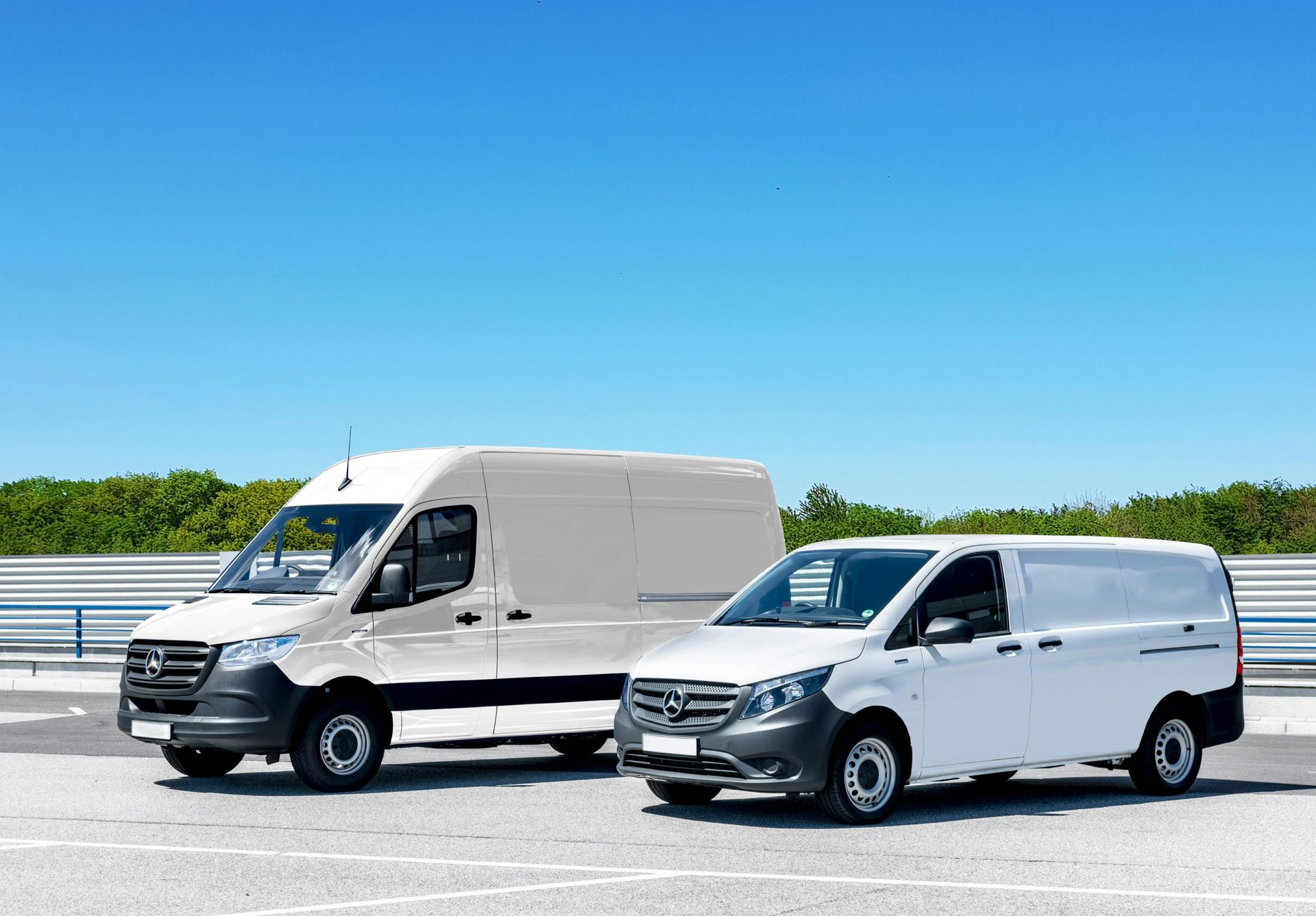
Contractors and delivery drivers in Pomona put serious wear on their vehicle AC systems. Learn why work vehicles break down faster and what you can do about it.
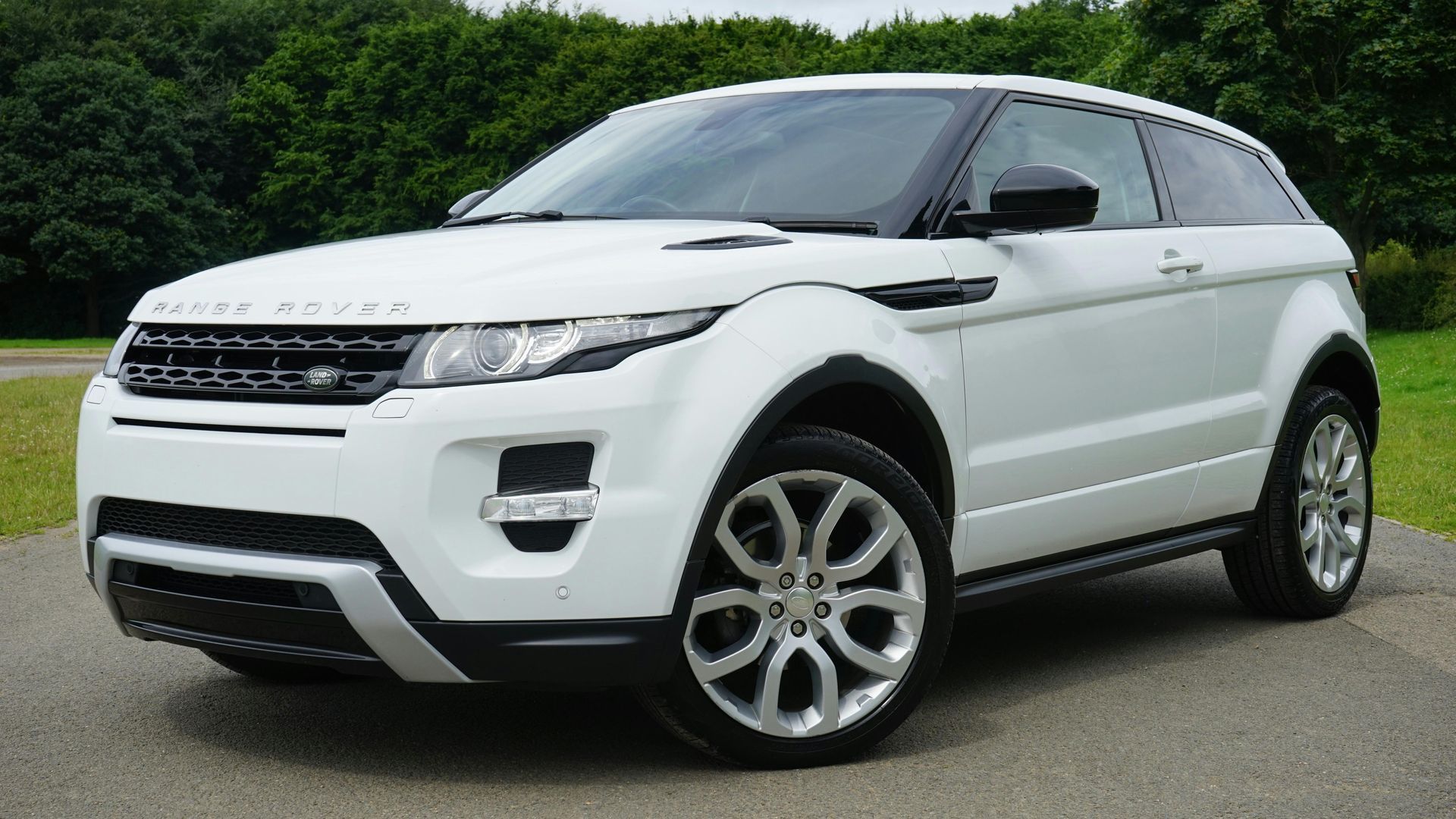
Pomona drivers face brutal freeway congestion daily. Here is how stop-and-go traffic on the 10 and 60 damages your car AC system over time
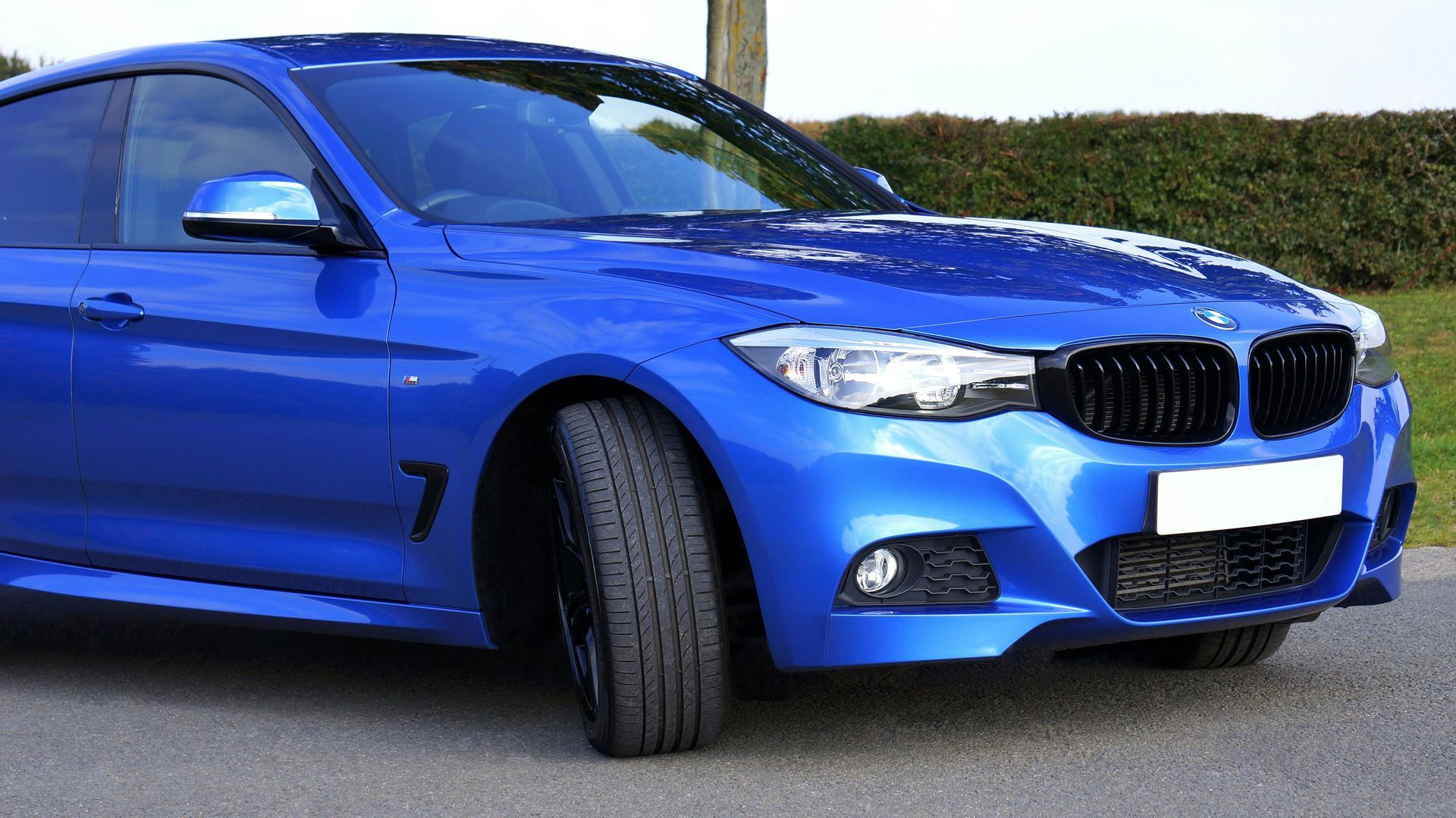
Deciding whether to fix the A/C on a high mileage vehicle is not always simple. Here is the honest guidance we give drivers in Pomona who are facing that exact question.
Not all vehicle A/C refrigerants are the same and the type in your vehicle directly affects recharge costs. Here is what every driver should understand before visiting a shop.
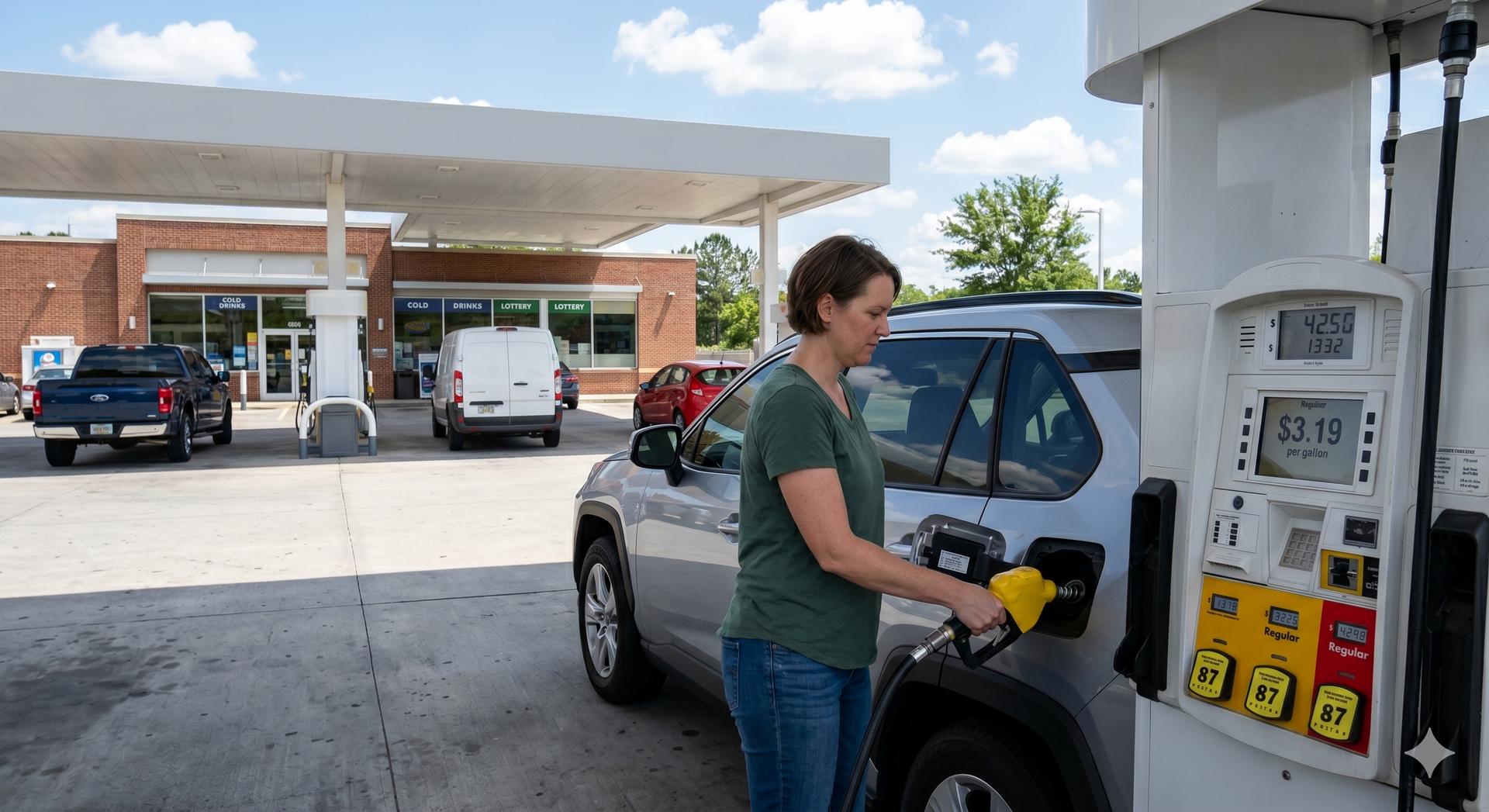
A struggling car A/C system burns more fuel than most drivers realize. Learn how to fix the problem and start saving money at the pump every week.
Discover top-notch brake repair services in Pomona at Super Service of Pomona Valley. Ensure your safety on the road. Call us today!

Protect your vehicle with these transmission maintenance tips. Learn how to prevent transmission problems, extend lifespan, and schedule expert transmission service in Pomona Valley.

Worried about A/C repair costs on an older car in Pomona? Learn what to expect, what is worth fixing, and how to make smart decisions about your aging vehicle.