When Should I Get My Brakes Inspected?
Brakes aren’t flashy, and you don’t always notice when they’re doing their job right. But when they fail—or even start to fade—you notice fast. In Pomona Valley, where heavy traffic, stop-and-go city driving, and high temperatures are all part of the routine, your brakes do more work than you might think.
Whether you're navigating rush hour traffic or coasting down a canyon road, your brake system is your car’s most important safety feature. And yet, many drivers don’t ask the key question until it’s too late:
When should I get my brakes inspected in Pomona Valley to stay safe? Let’s answer that.
Why Regular Brake Inspections Are So Important
Brake systems aren’t designed to last forever. Your pads, rotors, calipers, and brake fluid all experience gradual wear over time. Just because your car stops doesn’t mean it’s stopping well—or safely.
Delaying brake inspections can lead to:
- Decreased stopping power
- Damage to rotors and calipers
- Unexpected repair costs
- Complete brake failure in emergencies
The National Highway Traffic Safety Administration reports that thousands of accidents each year are related to poor brake maintenance. Many of those could have been avoided with a timely inspection.
When Should I Get My Brakes Inspected in Pomona Valley?
As a general guideline:
Have your brakes inspected every 12,000 miles or once per year, whichever comes first.
But that’s just the baseline. Pomona Valley presents some unique driving challenges that make brake wear more aggressive. For drivers who:
- Commute daily in traffic
- Live in hilly areas
- Frequently drive short trips
- Tow trailers or carry heavy loads
...it's wise to have brake inspections done every six to nine months. The cost of early detection is far less than the cost of major repairs—or the risk of unsafe driving.
Warning Signs That It’s Time to Schedule a Brake Inspection
You don’t have to be a mechanic to know when your brakes need attention. Here are the most common signs:
- Squealing or grinding sounds when you apply the brakes
- Soft or spongy pedal feel
- Steering wheel vibration during braking
- Pulling to one side
- Brake warning light on your dashboard
- Burning smell after hard braking
If you notice any of these symptoms, don't wait until your next oil change. Get a professional brake inspection right away.
Why Pomona Valley Driving Wears Down Brakes Faster
Driving conditions in Pomona Valley accelerate brake wear more than you might expect. Here’s why:
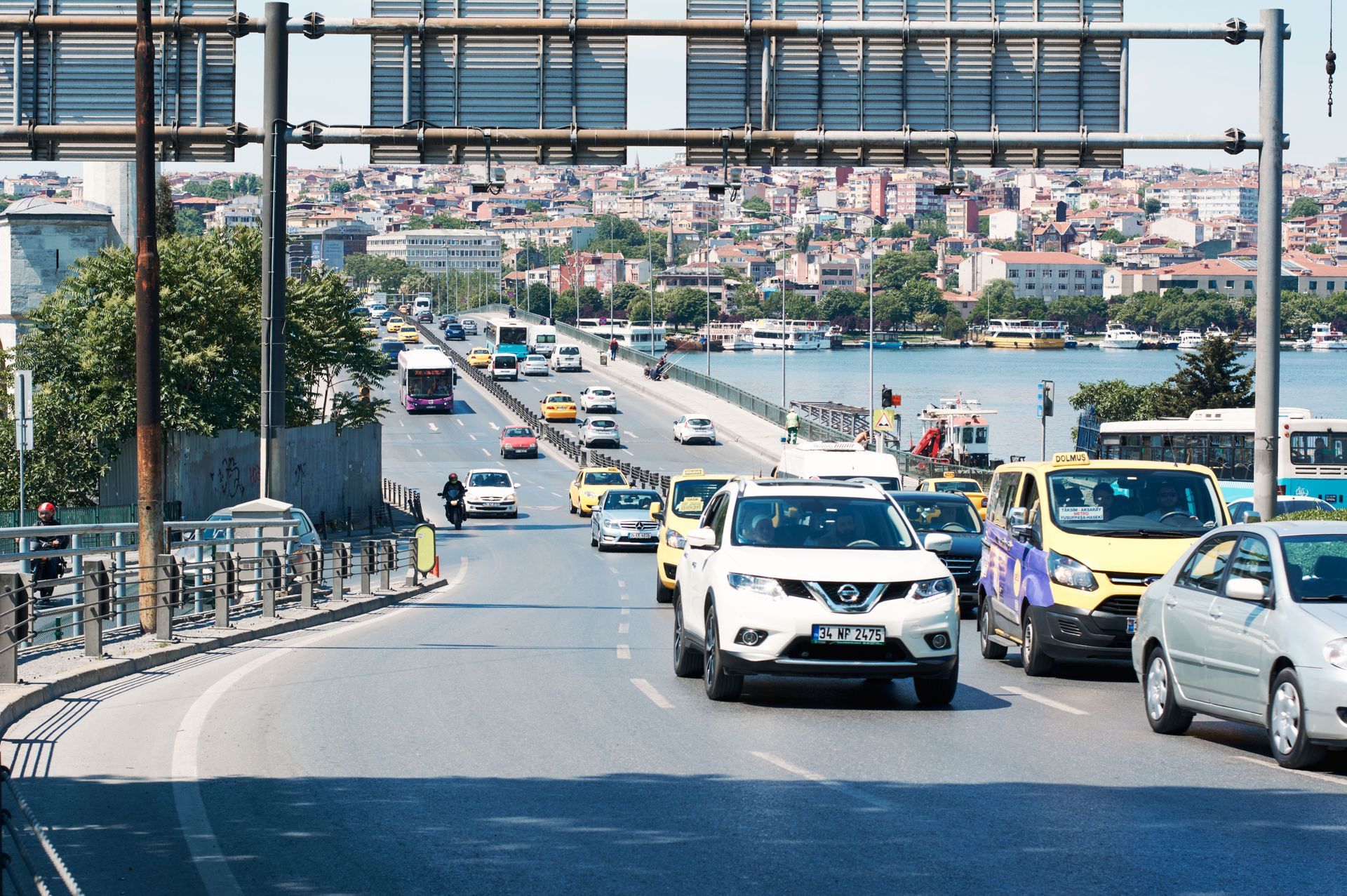
Stop-and-Go Traffic: Frequent braking in urban traffic increases pad and rotor wear. Commuters using the 10 or 71 freeways are especially affected.
High Heat: Temperatures in the Inland Empire can rise quickly, especially in summer. Heat can cause brake fluid to degrade faster, reducing performance and pedal feel.
Canyon Roads and Hills: Descending local hills or nearby canyon roads increases the workload on your brake system, particularly your rotors and calipers.
Heavy Loads: Whether you’re hauling work gear or traveling with a full car, extra weight means more braking power is needed—and more wear occurs.
These local factors make regular inspections even more critical for drivers in the region.
What’s Included in a Brake Inspection?
At Super Service of Pomona Valley, we take a comprehensive approach to brake safety. When you bring your car in for an inspection, here’s what we examine:
Brake Pad Thickness
We measure the remaining friction material. If your pads are below 3-4 mm, they’re due for replacement.
Rotor Condition
We check for warping, scoring, rust, or uneven wear. In some cases, rotors can be resurfaced. In others, they need replacement.
Brake Fluid Quality
Moisture in the fluid reduces its boiling point and braking performance. We test fluid contamination and recommend a flush if necessary.
Brake Lines and Hoses
We inspect for cracks, leaks, or bulges. Even a small leak can compromise your braking system.
Caliper and Hardware Performance
Stuck or sluggish calipers can cause uneven braking. We ensure everything is moving as it should.
ABS and Brake Sensors
We run a full scan of your anti-lock braking system and any connected sensors.
Test Drive Evaluation
We don’t just inspect in the bay—we take your vehicle for a short drive to feel how the system responds in real-world conditions.
You’ll receive a digital inspection report complete with photos and technician notes so you can make informed decisions with zero pressure.
What Happens If You Skip Brake Inspections?
Ignoring brake inspections doesn’t just put your safety at risk. It also leads to more costly repairs. For example, if you delay replacing worn brake pads, they can wear down to the metal. This causes deep rotor damage and can even lead to caliper failure—turning a simple $200 job into a $600-plus repair.
In worst-case scenarios, brake failure can result in complete loss of control during emergency stops. That’s not a risk worth taking.
Brake Safety Checklist
Here’s a seasonal checklist to help keep your brake system in good shape:
- Inspect brakes every 12,000 miles or once per year
- Schedule inspections more often for daily commuting or hilly driving
- Replace pads at 3 mm or less
- Flush brake fluid every 2 years or when testing shows high moisture
- Check for vibration, soft pedal, or pulling
- Never ignore dashboard warning lights
If you can’t remember the last time your brakes were checked, now’s the time.
Frequently Asked Questions
How long should brake pads last?
Brake pad lifespan varies, but most last between 30,000 to 70,000 miles depending on driving habits, vehicle type, and traffic conditions.
Can I check my own brakes?
You can visually inspect brake pads and listen for noises, but many problems—like fluid contamination or rotor warping—require a technician.
Does brake fluid really need to be flushed?
Yes. Brake fluid absorbs moisture over time, which reduces braking effectiveness. We recommend flushing every two years or as needed.
Do I need to replace rotors every time I replace pads?
Not always. If your rotors are in good condition, they can sometimes be resurfaced. If they’re worn, warped, or below minimum thickness, replacement is needed.
Is a brake inspection included with other services?
At
Super Service of Pomona Valley, we offer brake inspections with most major services, and always when requested.
Why Choose Super Service of Pomona Valley?
We know brakes. But more importantly, we know how to make our customers feel safe and informed.
- ASE-certified technicians trained in advanced diagnostics
- Digital inspections with photos, so you can see what we see
- Brake repairs backed by a 3-year/36,000-mile warranty
- Free alignment checks with every visit
- Loaner vehicles and shuttle services to keep you moving
- Honest service with no high-pressure upsells
We’ve helped thousands of Pomona Valley drivers keep their vehicles safe and road-ready—and we’re ready to help you, too.
Don’t Wait—Inspect Your Brakes Before They Fail
Your brakes are too important to ignore. If you're asking yourself, “When should I get my brakes inspected in Pomona Valley to stay safe?”—the answer is simple:
Before you need to.
Brake inspections are fast, affordable, and essential for protecting you and your passengers. Don’t wait for a squeal or a warning light to tell you it’s time.
Visit www.superserviceofpomonavalley.com to schedule your brake inspection today and keep your daily drive safer, smoother, and stress-free.